
Understanding SMPTE 2110 and NMOS: A Beginner's Guide
Introduction
Modern broadcasting has moved away from heavy, cable-based systems like SDI (Serial Digital Interface) toward flexible, software-driven IP networks. Two key technologies power this shift:
SMPTE ST 2110: Defines how audio, video, and metadata move across an IP network.
NMOS (Networked Media Open Specifications): Defines how devices discover, register, and connect these IP-based media streams.
Together, they make it possible to create entire broadcast infrastructures using standard Ethernet networks.
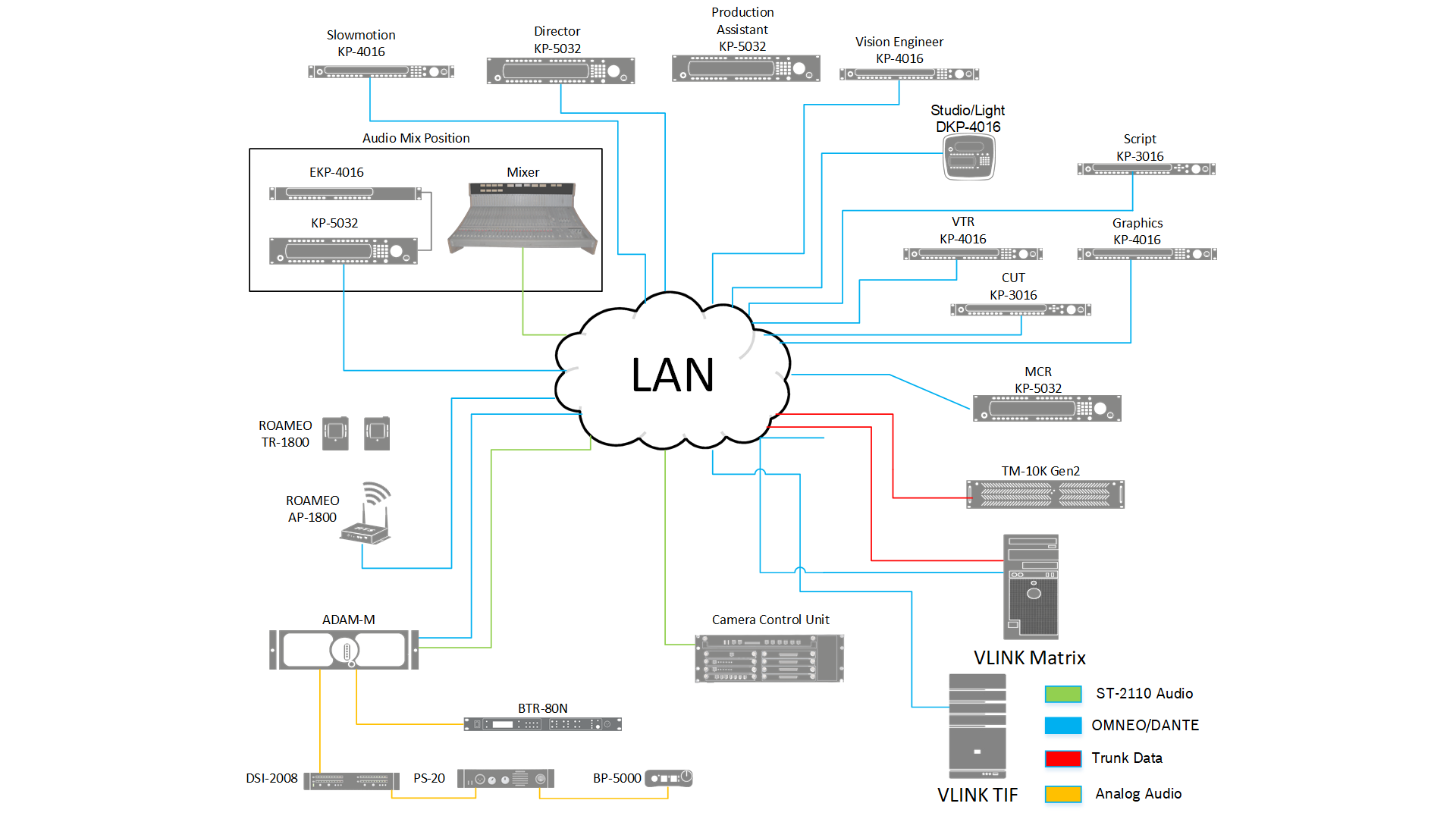
1. What is SMPTE ST 2110?
SMPTE ST 2110 is a suite of standards that describe how to send uncompressed professional media over IP networks. Instead of bundling video, audio, and metadata into one signal, it sends each as a separate stream. This separation gives engineers more flexibility in routing, processing, and synchronization.
1.1 Key Concepts
Essences: Independent media components — video, audio, and ancillary data.
RTP (Real-Time Transport Protocol): The network protocol used to transmit these media packets.
PTP (Precision Time Protocol): Keeps everything synchronized, ensuring perfect lip-sync and frame alignment.
Multicast networking: Allows one sender to efficiently send streams to many receivers.
1.2 Advantages
Scalable – works over standard IP switches and routers.
Flexible – route individual audio or video channels anywhere in the network.
High quality – supports uncompressed, ultra-low latency transmission.
1.3 Example Workflow
Imagine a live sports broadcast:
Cameras generate uncompressed video and audio.
Each signal is packetized into RTP streams.
The network switches distribute those packets to mixers, recorders, and monitors.
PTP ensures every frame and sound stays in sync across the system.
2. What is NMOS?
While SMPTE 2110 handles media transport, NMOS manages device communication and orchestration.
NMOS is developed by AMWA (Advanced Media Workflow Association) and defines RESTful APIs so devices can automatically discover, register, and connect to one another.
2.1 Core Specifications
IS-04 (Discovery & Registration): Devices announce themselves and list available senders/receivers.
IS-05 (Connection Management): Controllers connect a sender to a receiver (think: router crosspoint switch, but over IP).
IS-08 (Audio Mapping): Manages audio channel routing.
2.2 Why NMOS Matters
Without NMOS, engineers would manually configure IPs, ports, and SDPs for every media device. NMOS automates all of this:
Devices can be plug-and-play.
Controllers can dynamically route streams.
Multi-vendor systems can interoperate cleanly.
3. How SMPTE 2110 and NMOS Work Together
| Function | SMPTE ST 2110 | NMOS |
|---|---|---|
| Purpose | Media transport | Device & connection management |
| Technology | RTP over IP, PTP synchronization | RESTful APIs (IS-04, IS-05) |
| Focus | Data plane | Control plane |
| Example | Video/audio streams flow over multicast | Controller connects Sender A to Receiver B |
Example System Flow
A camera sends its uncompressed video as a 2110-20 RTP stream.
The camera registers itself with the NMOS registry via IS-04.
A controller queries the registry, finds the camera, and connects it to a monitor using IS-05.
Both devices sync to PTP, ensuring perfect timing.
4. Understanding RTP (Real-Time Transport Protocol)
RTP is the backbone of SMPTE 2110 transmission.
Purpose: Carries media packets (video, audio, data) over IP networks.
Header info: Includes timestamps, sequence numbers, and payload type.
Why UDP: RTP runs over UDP to ensure low latency (some packet loss is acceptable in real-time systems).
RTCP (RTP Control Protocol): Monitors quality of the stream (packet loss, jitter, etc.).
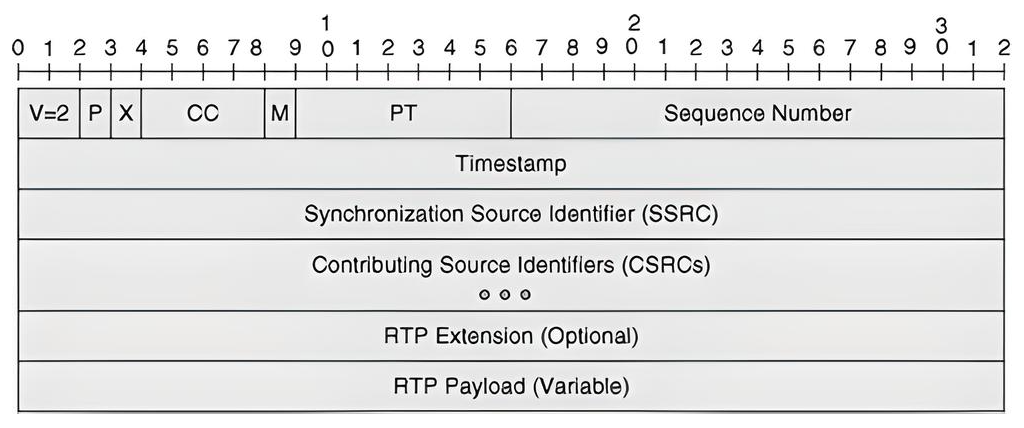
Example: How RTP keeps a live show smooth
Video is broken into small packets with timestamps.
Packets are sent quickly (UDP) with minimal delay.
Receiver uses timestamps to rebuild the exact frame order.
This ensures lip-sync and frame accuracy across all receivers.
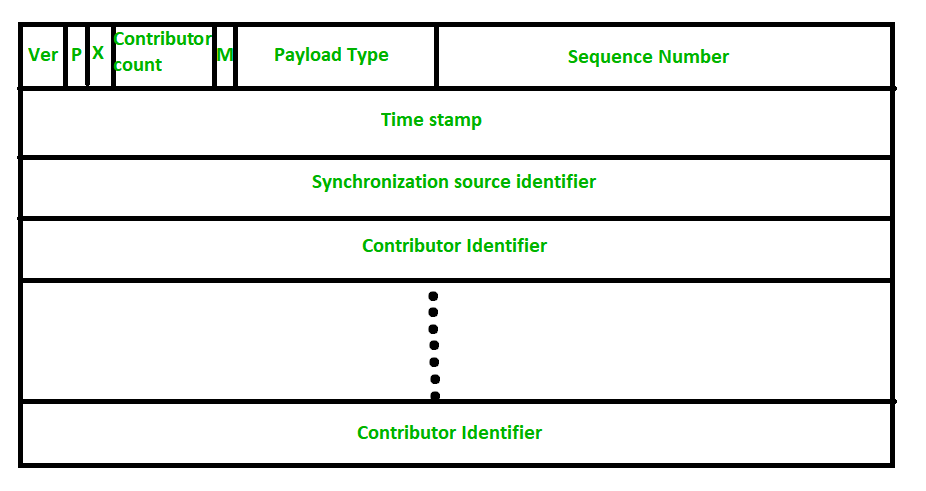
5. Why These Technologies Matter
| Benefit | Explanation |
|---|---|
| Interoperability | NMOS and 2110 let equipment from different vendors work together. |
| Flexibility | You can dynamically re-route streams anywhere on the network. |
| Efficiency | IP-based systems scale easily using standard network gear. |
| Automation | APIs allow orchestration tools (Python scripts, controllers) to manage media routing automatically. |
6. Getting Started (Learning Resources)
SMPTE Virtual Courses: Practical breakdowns of ST 2110 and IP fundamentals.
IABM Technical Training: Covers media over IP, synchronization, and real-world deployments.
AMWA NMOS Getting Started Guide: Hands-on setup with IS-04/IS-05 registry and node examples.
7. Visual Reference Folder
The downloadable image pack includes diagrams showing:
ST 2110 essence separation (video/audio/metadata)
RTP packet structure
PTP timing model
NMOS discovery and connection workflows
Example 2110 + NMOS integrated architecture
8. Summary
SMPTE ST 2110 = How media flows over IP (transport standard).
NMOS = How devices discover, control, and connect those flows (management layer).
RTP = The packet format carrying your real-time video and audio.
PTP = Keeps everything synchronized in time.
Together, they replace traditional broadcast cabling with network-driven, programmable systems — enabling the modern, software-defined broadcast studio.